
WAYS WE EMPOWER YOU

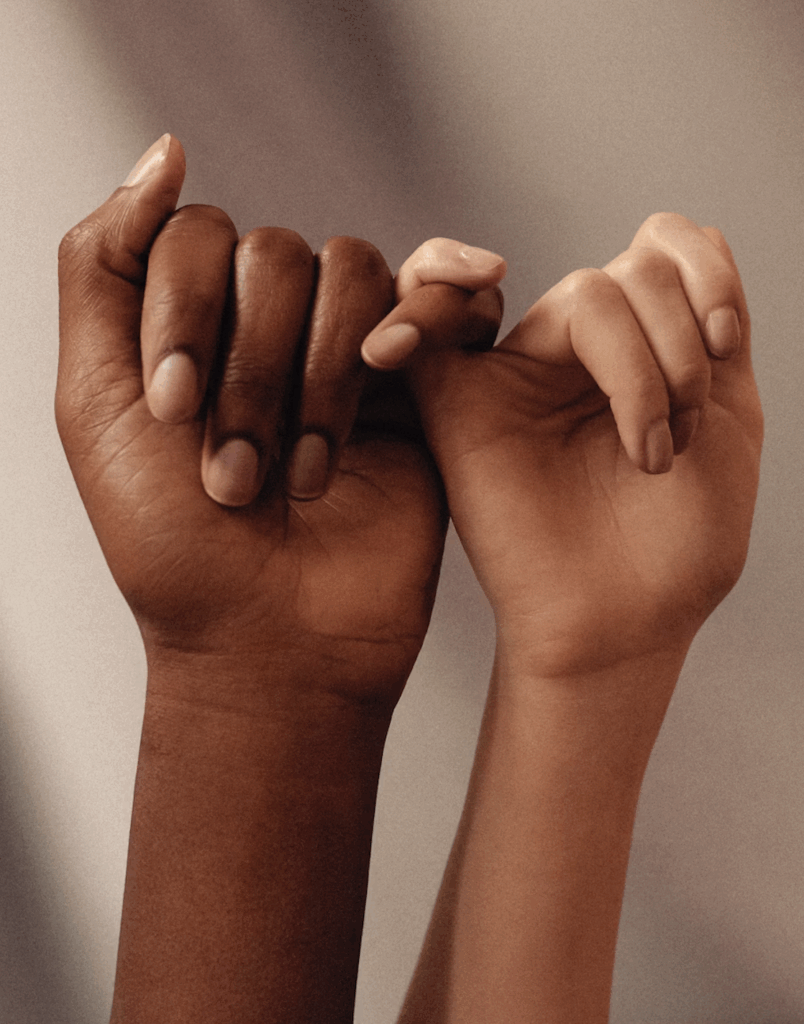
Connect
Join the movement, share stories, support change, take part in research. Know you’re not alone.
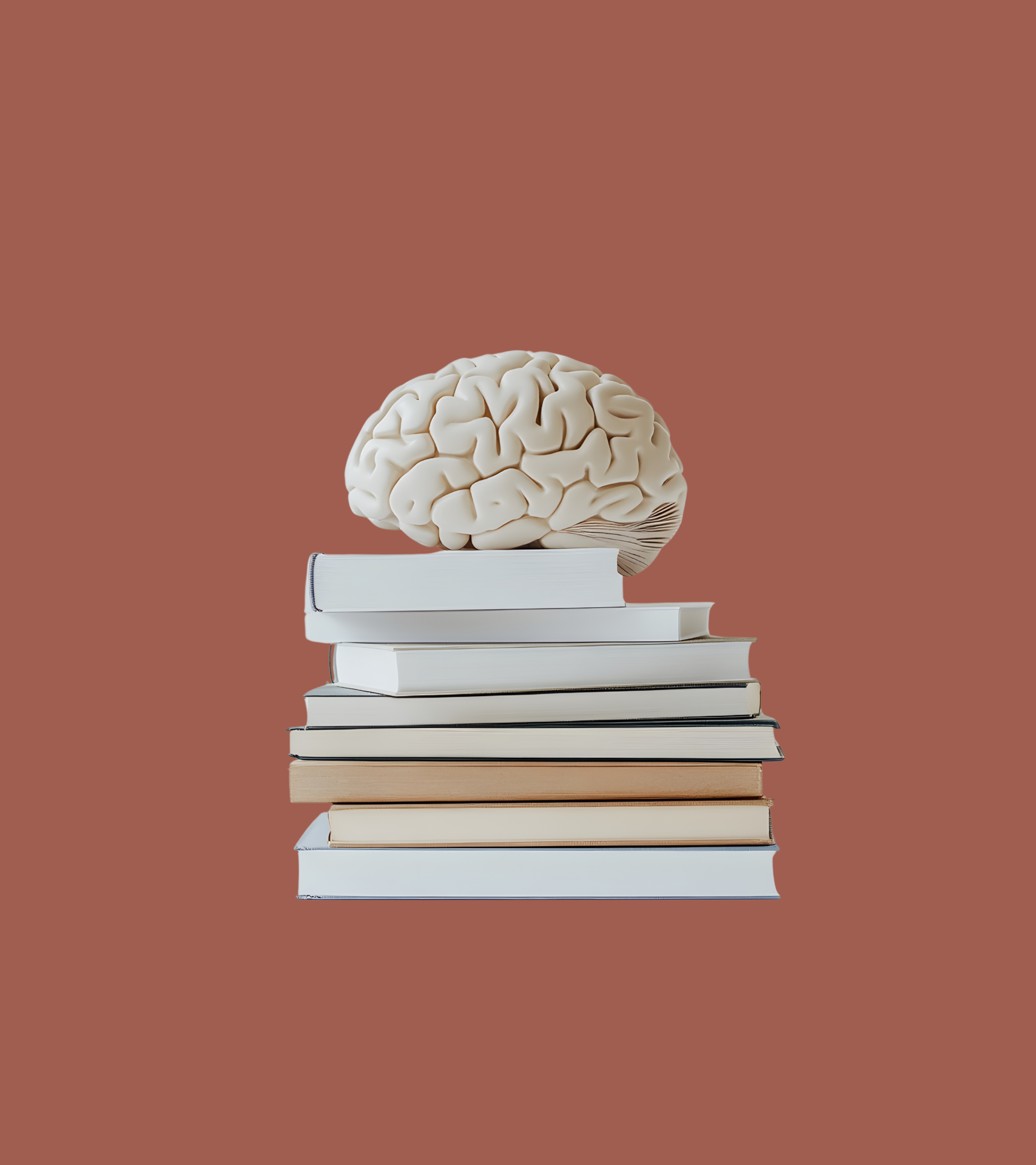
Learn
Get the latest neurodivergence research and insights. Simple, practical, and easy to use.
Grow
Immediate, effective support. No waitlists, no commute, no delays. Find your expert to thrive.
WE LOVE HOW YOUR MIND WORKS.
THRIVE ON YOUR OWN TERMS AND HAVE
A HAPPIER AND HEALTHY LIFE!
Latest research insights

Women – Often Overlooked, Always Resilient
Why ND Employees Are a Strategic Advantage

Why we need to talk about Nuance
Neurospicy Inspo
Justin Timberlake
He has shared that he has both ADHD and OCD, which fuel his creativity, focus, and drive for perfection.
Will Smith
He has shared how neurodiversity shapes his creativity and success, encouraging others to embrace different ways of thinking for growth and innovation.
Chen Yixin
She revealed her ADHD diagnosis in 2023 to help normalize the condition and encourage acceptance.
Simone Biles
She was assessed with ADHD as a child and has taken medication since. She’s been vocal about breaking stigma and encourages young people to embrace their diagnosis.
Steve Jobs
He demonstrated intense focus, unconventional thinking, and relentless drive. These strengths shaped his creativity and vision, enabling him to reimagine technology and design.
Bill Gates
He embodies many strengths, like extraordinary focus, analytical depth, and a passion for solving complex problems. These qualities not only fueled his creation of Microsoft but also continue to drive his global impact in technology, health, and philanthropy.
Albert Einsten
He is often seen as a symbol of neurodiversity. His unique way of thinking, deep focus, and unconventional perspective are thought to reflect traits of autism or ADHD, differences that helped him revolutionize physics.
Richard Branson
Disruptive thinking, deep focus, and an unconventional leadership style.
Barbara Corcoran
She was overcoming early academic struggles to become a real estate mogul.
YOU ASKED – WE ANSWERED
How can i thrive in a non-inclusive workplace?
How do i talk about my neurodivergence without feeling judged?
I just got assessed (diagnosed) – what now?
How do i manage overwhelm?
Overwhelm is real, can lead to burnout, and recognizing it is the first step. Start with basics, like are you getting enough sleep, eating regularly, and taking breaks? Create a ‘sensory first aid kit’ – noise-canceling headphones, fidget toys, calming scents. Practice saying no to non-essential commitments. Schedule ‘nothing time’ like you would any important appointment. Rest is required for anyone.
Where can i find a neurodivergent community?
At NeuroMynds ☺️ Simply be you and get support!